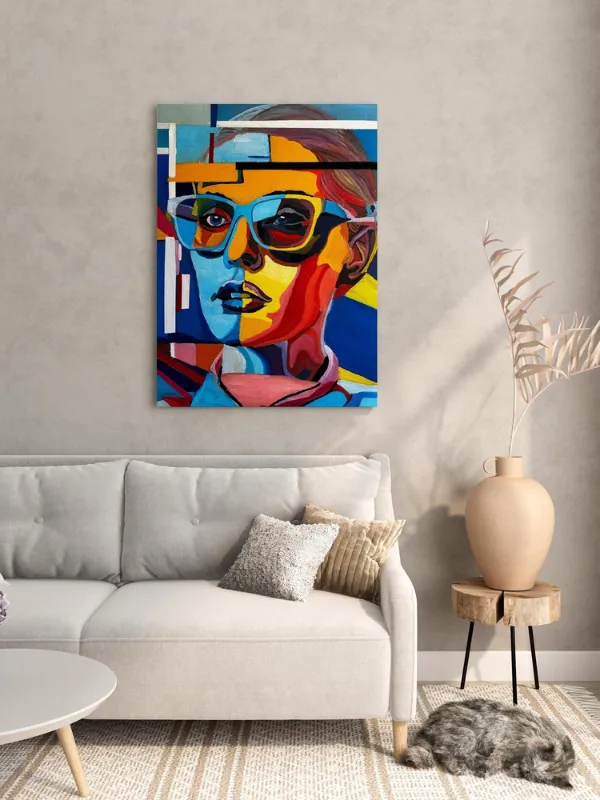
An original oil painting is more than a decoration — it's an investment that can last centuries when properly cared for. Knowing how to preserve an oil painting means understanding light, humidity, temperature, and the specific vulnerabilities of oil on canvas. Follow these guidelines to protect your artwork for generations.
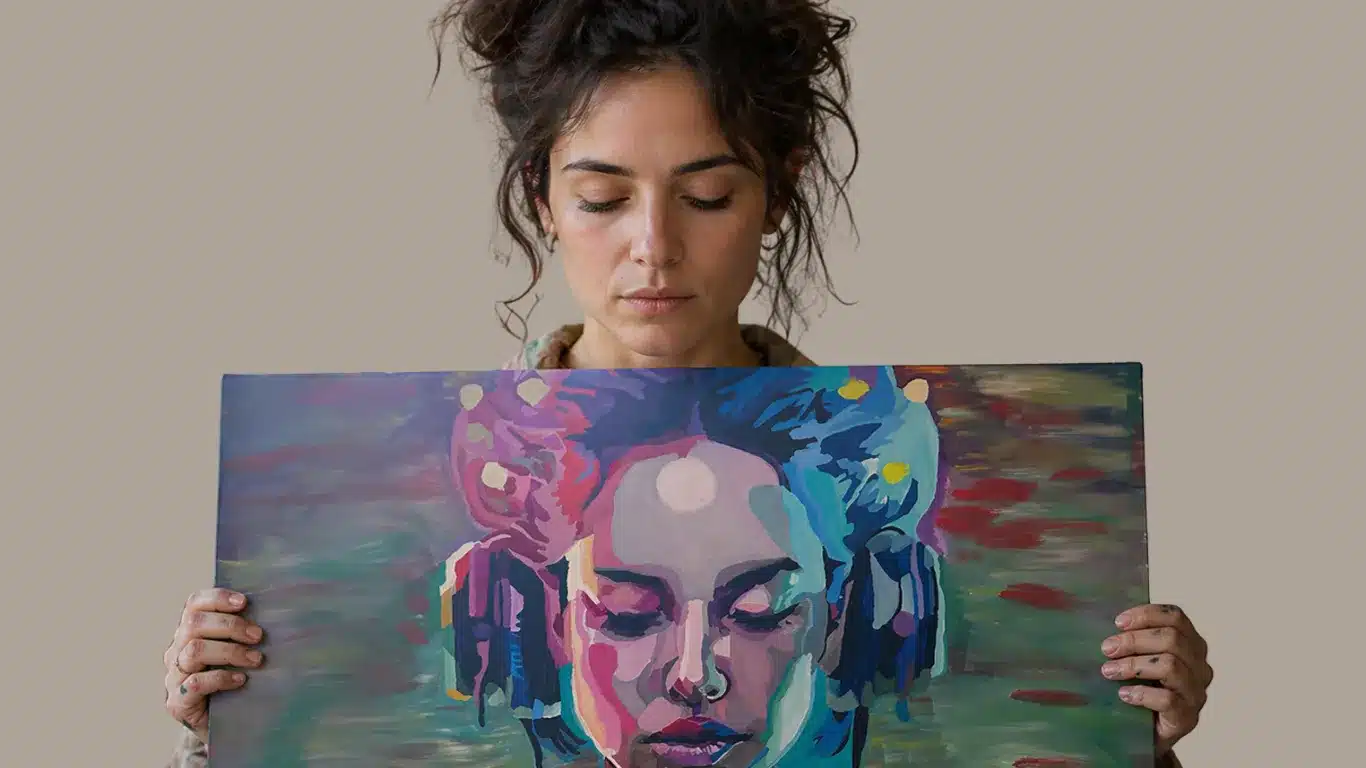
7 Golden Rules for Preserving Oil Paintings
1. Protect from UV light. Ultraviolet radiation is the biggest enemy of oil pigments. Direct sunlight causes irreversible fading and yellowing of the varnish layer. Hang paintings away from windows, or use UV-filtering glazing if natural light is unavoidable.
2. Control humidity (45–55%). Canvas contracts and expands with changes in humidity. Too dry and the canvas becomes brittle; too humid and mold can develop. A simple hygrometer in the room helps you monitor levels. Avoid hanging oil paintings near humidifiers, radiators, or air conditioning vents.
3. Maintain stable temperature (18–22°C). Sudden temperature swings cause the canvas to flex repeatedly, which over years creates cracks in the paint layer (known as craquelure). Climate-controlled rooms are ideal for long-term display and storage.
4. Never wrap in plastic. If storing an oil painting, always use acid-free paper rather than plastic wrap. Plastic traps moisture and creates an environment where mold can develop, even in works that appear completely dry.
5. Clean gently — and rarely. Dust the surface every few months using a very soft, dry brush (like a wide, soft watercolor brush). Never use cleaning products, wet cloths, or commercial sprays. If the painting appears grimy, that's a job for a professional conservator.
6. Varnish — but only after it's ready. Oil paintings need at least 6–12 months to fully cure before applying a final varnish. A proper varnish layer (Dammar or synthetic resin) protects against dust and pollution and can be removed by a conservator without damaging the paint. Two types exist: gloss varnish deepens colors and saturation; matte varnish gives a softer, more subdued finish.
7. Store upright, never flat. If storing for a long period, always keep oil paintings vertical, not horizontal. Storing flat puts uneven pressure on the canvas and can cause deformation of the stretcher frame.

Varnish Types Explained
Choosing the right varnish matters. Dammar varnish is the traditional, natural-resin option used for centuries — it's removable and gives a warm gloss. Modern synthetic resin varnishes (such as Gamvar) offer improved UV resistance and consistency. Matte varnish contains matting agents that reduce gloss, which some collectors prefer for a more contemporary look. Retouching varnish is a diluted temporary varnish used between painting sessions — not a final coating. Always apply varnish in a dust-free environment with a soft, wide brush in thin, even strokes.
When to Call a Professional Conservator
Some situations require professional intervention. If you notice flaking paint, deep surface cracks, yellowed or darkened varnish, mold spots, or water damage, contact a certified art conservator rather than attempting home remedies. Improper cleaning or repair attempts can permanently reduce the painting's value and aesthetic integrity. Professional conservation is an investment that pays off — particularly for original works by living artists whose market value is growing.
Frequently Asked Questions
How long does it take an oil painting to dry completely?
The surface may feel dry within days or weeks, but oil paint takes 6–12 months to fully cure beneath the surface. Avoid varnishing before this period is complete.
Can I clean my oil painting at home?
Light dusting with a dry soft brush is safe. Anything beyond that — removing grime, old varnish, or stains — should be handled by a professional conservator.
How should I store an oil painting during a renovation?
Wrap in acid-free paper, store vertically in a stable climate, and keep away from construction dust, solvents, and humidity fluctuations.
Do oil paintings increase in value over time?
Original works by living artists — especially those with a growing exhibition history — can appreciate significantly. Proper preservation protects both the aesthetic and monetary value of the work. Learn more about Eliran Bar-On's artistic background and the provenance documentation offered with each painting.
Looking for an original oil painting that will stand the test of time? Explore the gallery and find a work that speaks to you.