Behind the Scenes: How an Oil Painting Comes to Life
Many people assume an oil painting begins with a concept, but more often, it begins with silence. Inspiration does not arrive on schedule. It comes from the way afternoon light hits a concrete wall, the shadow of a branch moving in wind, or a quality of feeling that has no clear origin but insists on being expressed. The beginning of a painting is rarely dramatic. It is a small noticing that will not let go.
From Sketch to Canvas: The Process
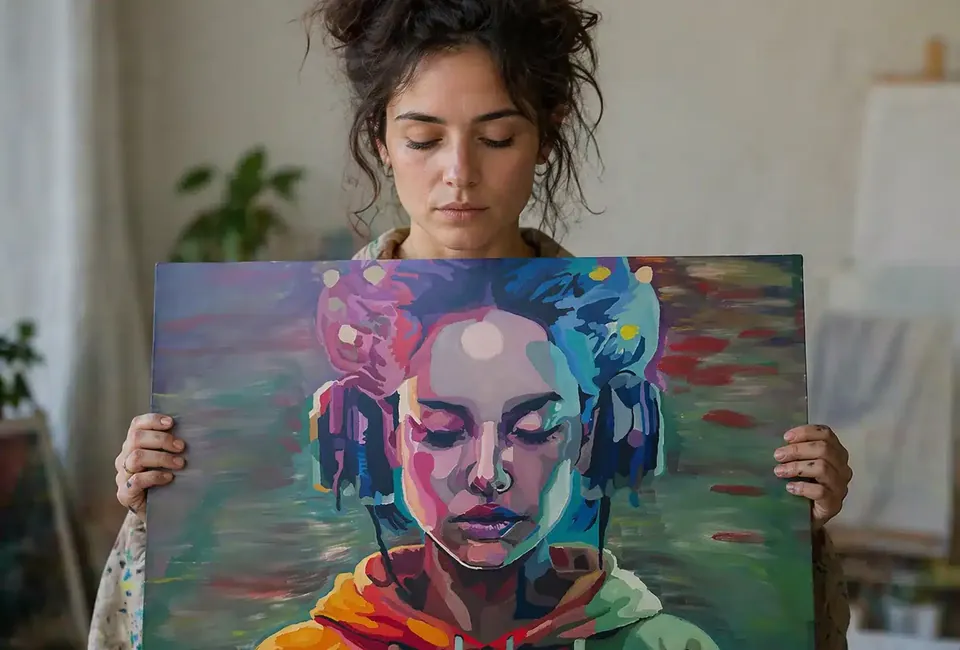
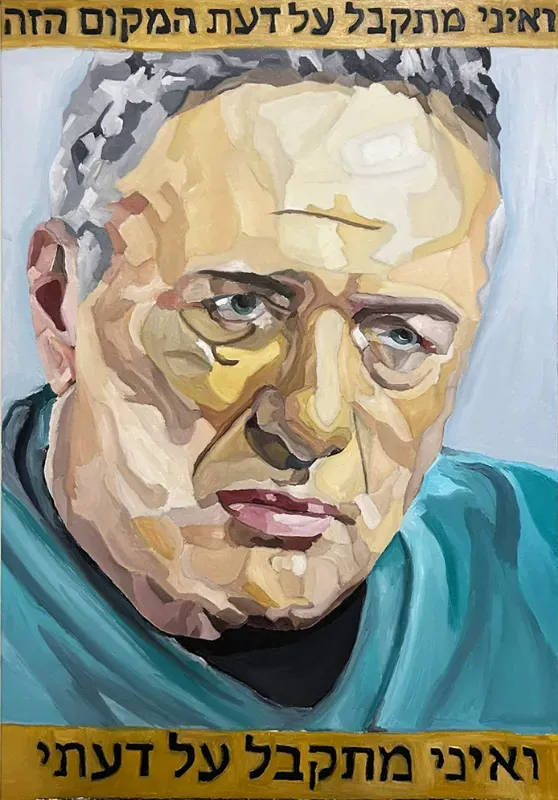
My process usually starts with a rough compositional sketch, not a plan, but an exploration. I use pencil or charcoal to work out the basic structure: where the horizon sits, where the weight of the image falls, what I am trying to contain. This stage is loose and often discarded. The sketch exists to get me thinking, not to prescribe what comes next. From there, I begin building in oil. The first layers are thin, almost transparent washes of color that establish the underlying tone of the canvas. These early layers dry relatively quickly and can be adjusted, scraped back, or painted over. They are not precious. Their job is to create a ground from which the real painting can emerge.
The Middle: Where Paintings Are Made or Lost
The middle stages of an oil painting are the most demanding. This is where the work starts to look wrong before it can look right. Relationships between colors need to be established. Value contrasts need to be built. The painting starts to have opinions, it starts to resist certain moves and welcome others. I have learned to pay attention to this resistance rather than fight it. Sometimes the painting knows something I do not yet. Oil paint dries slowly, which is both a gift and a complication. Colors can be blended directly on the canvas, layered wet on wet for soft edges, or applied thickly in impasto for texture and emphasis. The slow drying means mistakes can often be corrected, but it also means that impatience is your biggest enemy. Rushing a wet layer destroys what was underneath it.
The Final Layer: When It Becomes Itself
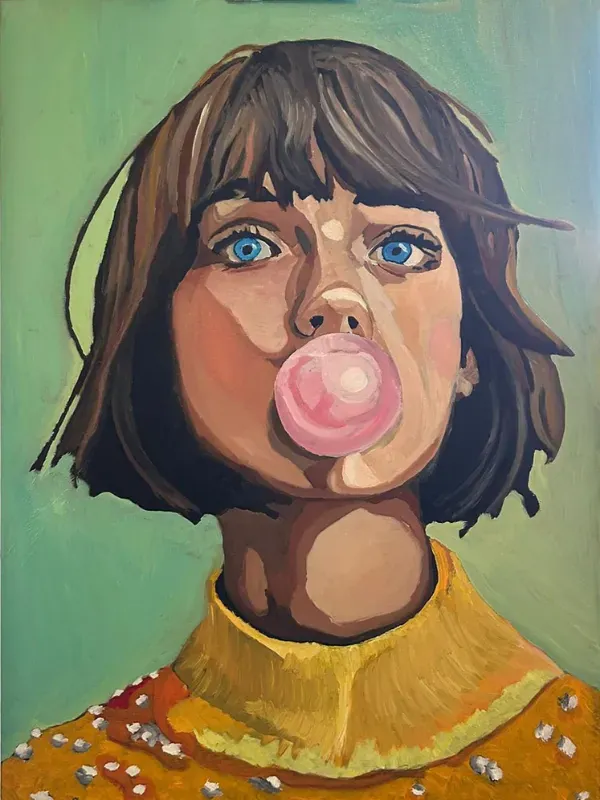
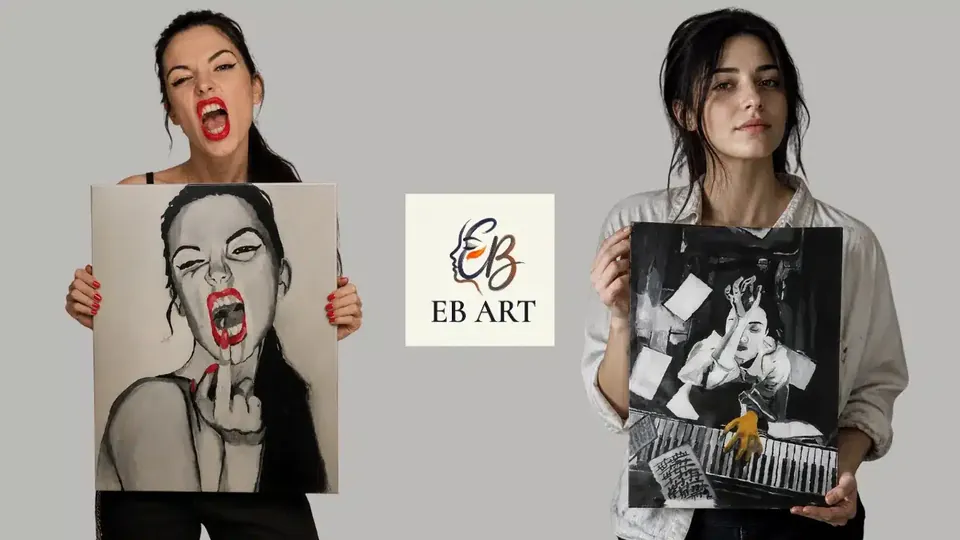
There is a moment in every painting, often surprising, when the work becomes what it was trying to be. The colors lock in, the composition settles, and the thing you were reaching for suddenly appears. It does not always happen when expected, and it cannot be forced. Some paintings reach this point quickly. Others resist for weeks. A few never quite arrive, and those go into storage or get painted over entirely. When a painting is complete, really complete, it has a quality of inevitability. It feels like it could not have been otherwise. That is the target: not technical perfection, but a sense that this particular arrangement of paint, light, and feeling is exactly what it needed to be.
Frequently Asked Questions
How long does it take to create an oil painting? It varies enormously. A small study might be completed in a few sessions. A large, complex canvas can take weeks or months, including waiting time between layers for the oil to dry adequately before the next application.
What materials does Eliran Bar-On use? Artist grade oil paints on stretched cotton or linen canvas, using a traditional layered approach: underpainting, development layers, and final glazes or impasto accents as needed.
Can I commission a painting based on a specific subject? Yes. Commissioned works follow a similar process, with additional stages for reference gathering and client feedback.