
Understanding Art Styles: A Guide for New Collectors
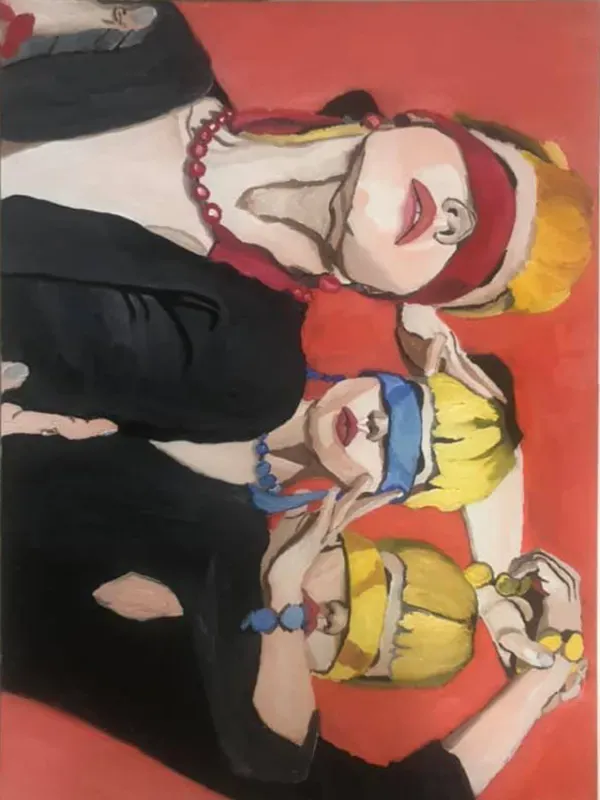
Walking into a gallery, or browsing paintings online, is a different experience once you have even a basic vocabulary for art styles. Understanding the major currents in painting history does not make you an art historian, it makes you a more confident collector, one who can articulate what you are drawn to and why. This guide introduces the key art styles relevant to collectors of contemporary and classic oil paintings.
Realism and Figurative Painting
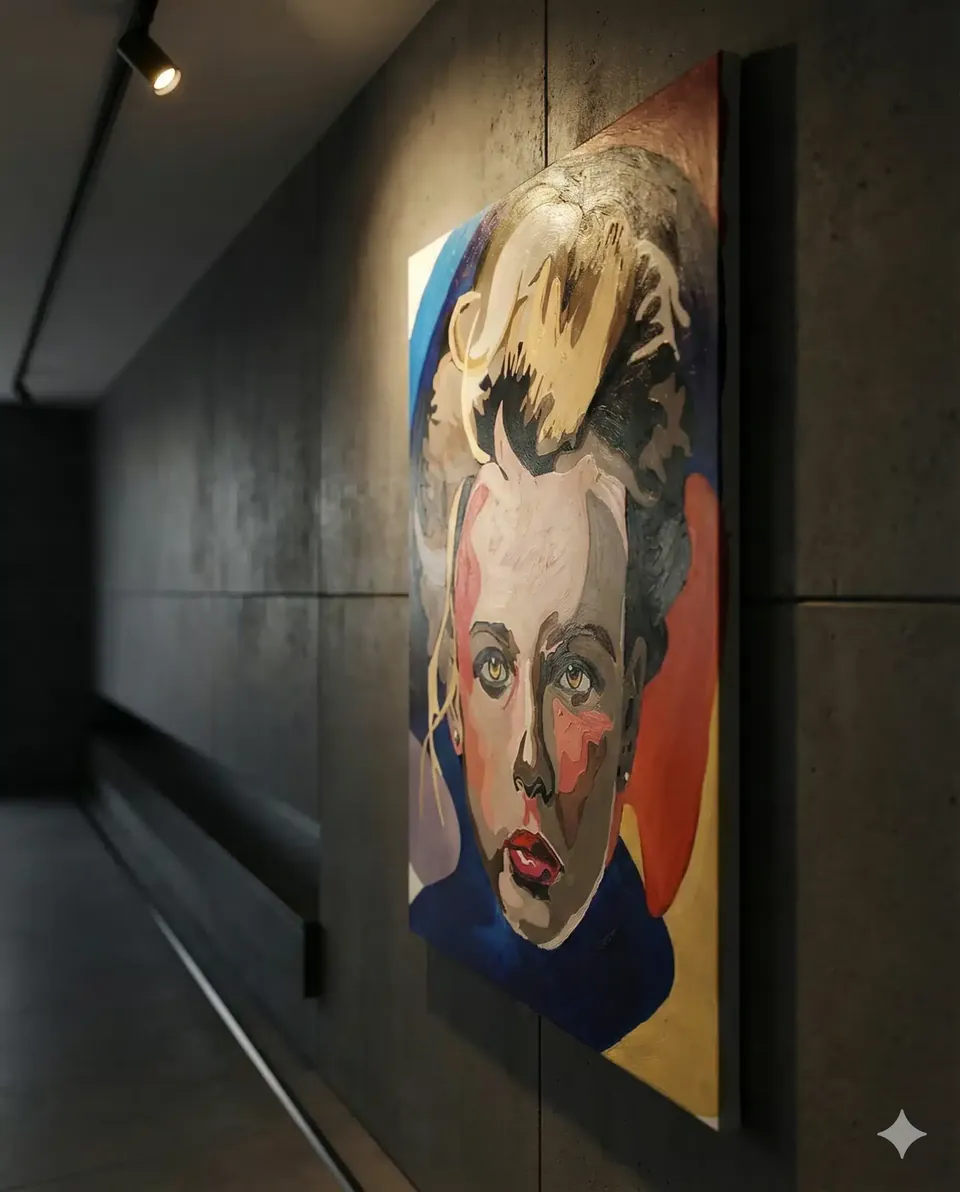
Realism in painting refers to work that depicts the visible world with faithful accuracy: people, landscapes, and objects rendered as the eye sees them, often with particular attention to light, shadow, and texture. Figurative painting is the broader term for work that includes recognizable human forms. Within realism, there are further distinctions: classical realism influenced by the Old Masters, contemporary realism with photographic influence and modern subjects, and social realism with a political edge that uses realistic depiction to comment on society. Collectors drawn to realism typically value technical mastery, emotional presence in depicted figures, and the sense that the painting was genuinely observed rather than invented.
Impressionism and Post-Impressionism
Impressionism, originated by Monet, Renoir, and Degas in 19th century France, prioritizes the capture of light, atmosphere, and fleeting moments over precise detail. Brushwork is visible, often loose, and the color palette tends toward vibrancy. Post-Impressionism is the umbrella term for the diverse directions that followed: Van Gogh's emotional intensity, Cezanne's structured geometry, and Gauguin's bold color experimentation. Contemporary artists working in an impressionist vein are sought by collectors who want visual warmth, emotional expressiveness, and work that is immediately pleasant to live with.
Expressionism
Expressionism prioritizes the inner emotional state of the artist over the faithful reproduction of external reality. Color is often heightened or distorted, forms can be exaggerated or fragmented. The German Expressionists of the early 20th century were among the first to codify this approach, but expressionism as a tendency runs through much of modern and contemporary art. Abstract Expressionism, with Pollock, de Kooning, and Rothko, takes this further, dispensing with recognizable subject matter entirely in favor of emotional and gestural painting. Collectors drawn to expressionism often value work with personal psychological depth and an honest relationship with paint as a physical, emotional material.
Contemporary Figurative and Mixed Approaches
Much of the most interesting painting today resists easy categorization. Contemporary figurative painting often borrows from multiple traditions: the observational rigor of realism, the color sensitivity of impressionism, and the emotional directness of expressionism, creating a personal visual language that does not fit neatly into any single box. This is often the most rewarding kind of work for collectors, because it reflects a genuinely individual sensibility rather than adherence to a historical style. Eliran Bar-On's oil paintings operate in this territory, grounded in direct observation but shaped by emotional response, drawing on Israeli landscape and human experience with a contemporary eye.
How to Use Style Knowledge as a Collector
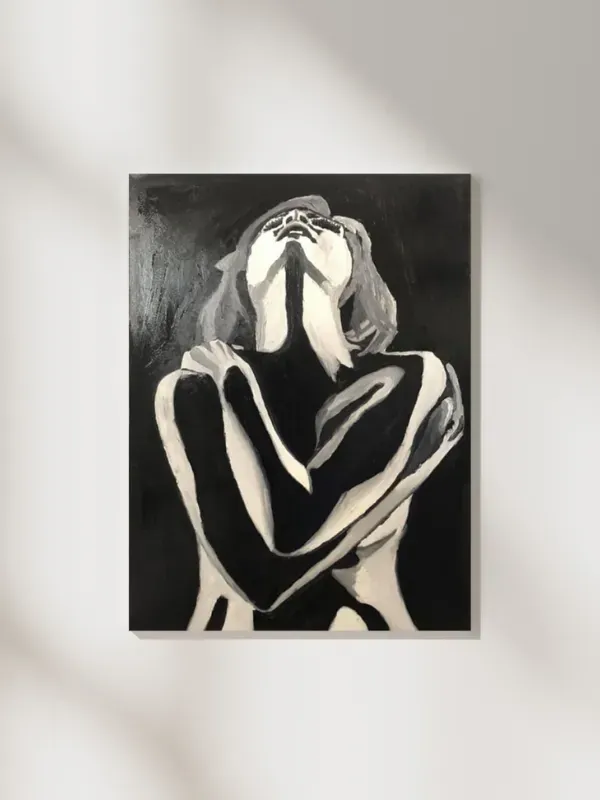
Understanding art styles helps you communicate your preferences more clearly, both to gallery owners and to artists you approach directly. Instead of saying you like something warm and not too abstract, you can say you are drawn to contemporary figurative work with an impressionist approach to color. This precision gets you faster to what you actually want. Style knowledge also helps you understand price: a classical realist painting requiring months of labor is priced differently from a gestural landscape completed in hours, and understanding why helps you evaluate value. The best collectors develop their own taste over time, influenced by knowledge but ultimately guided by genuine personal response.
Frequently Asked Questions
What is the difference between realism and impressionism? Realism aims for faithful depiction of the visible world. Impressionism prioritizes the capture of light, atmosphere, and mood, often with visible, loose brushwork that prioritizes feeling over precise detail.
What art style is most popular with collectors today? Contemporary figurative painting, which blends realist observation with expressionist emotional depth, is among the most consistently collected styles in the current market. Abstract work remains strong, particularly large scale pieces for architectural spaces.
Do I need to understand art history to collect? No, but even basic knowledge helps you communicate your preferences, understand pricing, and appreciate the context behind the work you are considering. Most artists are happy to explain their influences.
What style do Eliran Bar-On's oil paintings belong to? His work is rooted in contemporary figurative painting, observational, emotionally driven, and shaped by the landscapes and human experiences of Israel. The work draws on realist and expressionist traditions without being confined to either.
Related collections