Oil on Canvas Painting Technique
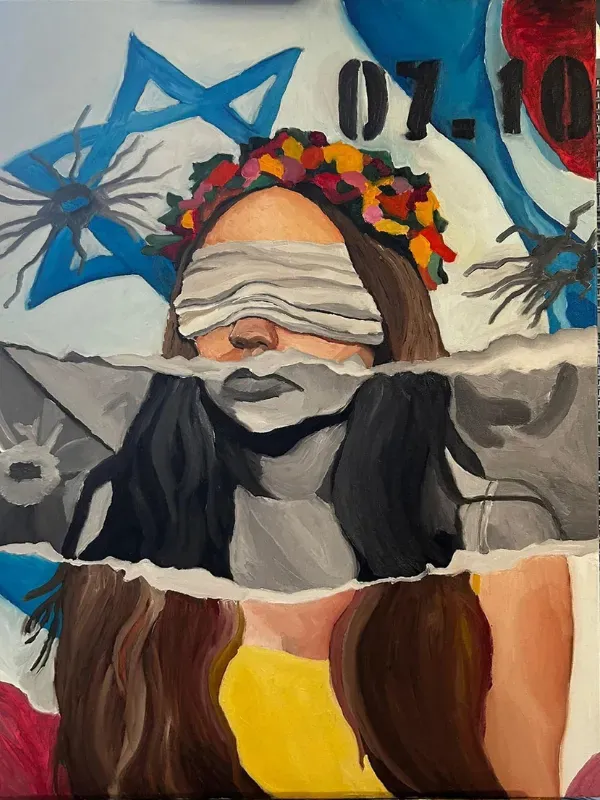
I Did Not Plan to Learn Oil Painting
My oil on canvas technique began with charcoal. Then graphite. Then pencils and acrylic. And then I touched oil paints and fell in love.
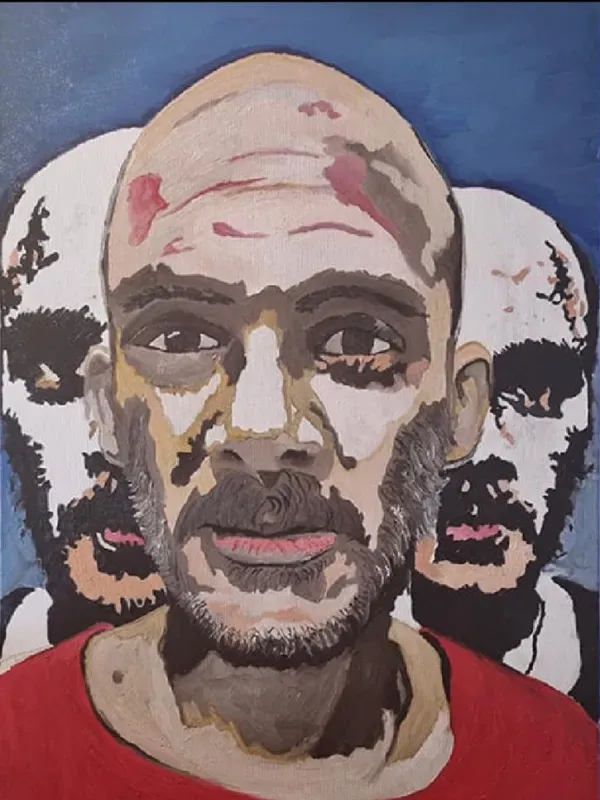
I did not learn formally. I have no degree from an art academy. I learned from YouTube, from trial and error, and from many canvases that went in the bin before something came out of them. I tell this because it matters: oil on canvas is not something that arrives with instructions. It arrives with time.
Why Oil and Not Another Medium
There is something in oil that no other medium gives. Its liveliness. Its glow. The way it behaves on the canvas, not immediately, not carelessly. It demands time, layers, and decision. You cannot undo oil. You can paint over it once it dries. But what you laid down stays. And that is exactly what I love about it. It forces presence.
How a Painting Begins, the Idea Before the Canvas
I do not approach a blank canvas with a perfect idea. Usually it starts with something seen in the mind, a face, a state, a feeling. Sometimes from a photograph. Sometimes from a memory. I look a lot before I paint. I ask what I want the painting to hold inside it, not what it will depict, but what it will feel. Only after I have something that feels real do I approach the canvas.
Preparing the Canvas, a Step Most People Skip
A good canvas begins long before the paint. I work on canvas stretched over a wooden frame, prepared with layers of gesso. Gesso is the white foundation that creates the base on which the oil sits correctly. Without proper preparation, oil does not behave as it should, and an original oil painting built on a weak foundation will not last over time.
Working in Layers, the Heart of Oil Painting
This is the big difference between oil and any other medium. The painting is built in layers. Each layer dries before the next is laid down. I start with a thin, lean layer, a general framework with no details. Then I build over it. Each layer is thicker than the one before it. Each layer adds depth, presence, texture. The reason original oil paintings look so different from prints is this depth of layers. It cannot be reproduced.
The Portrait, Where the Painting Begins to Speak
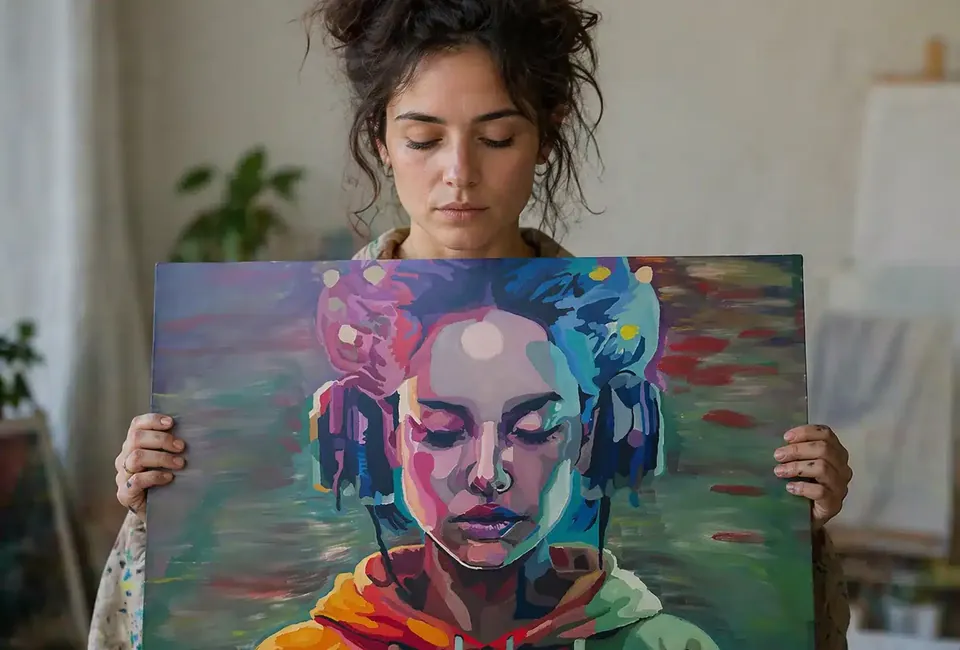
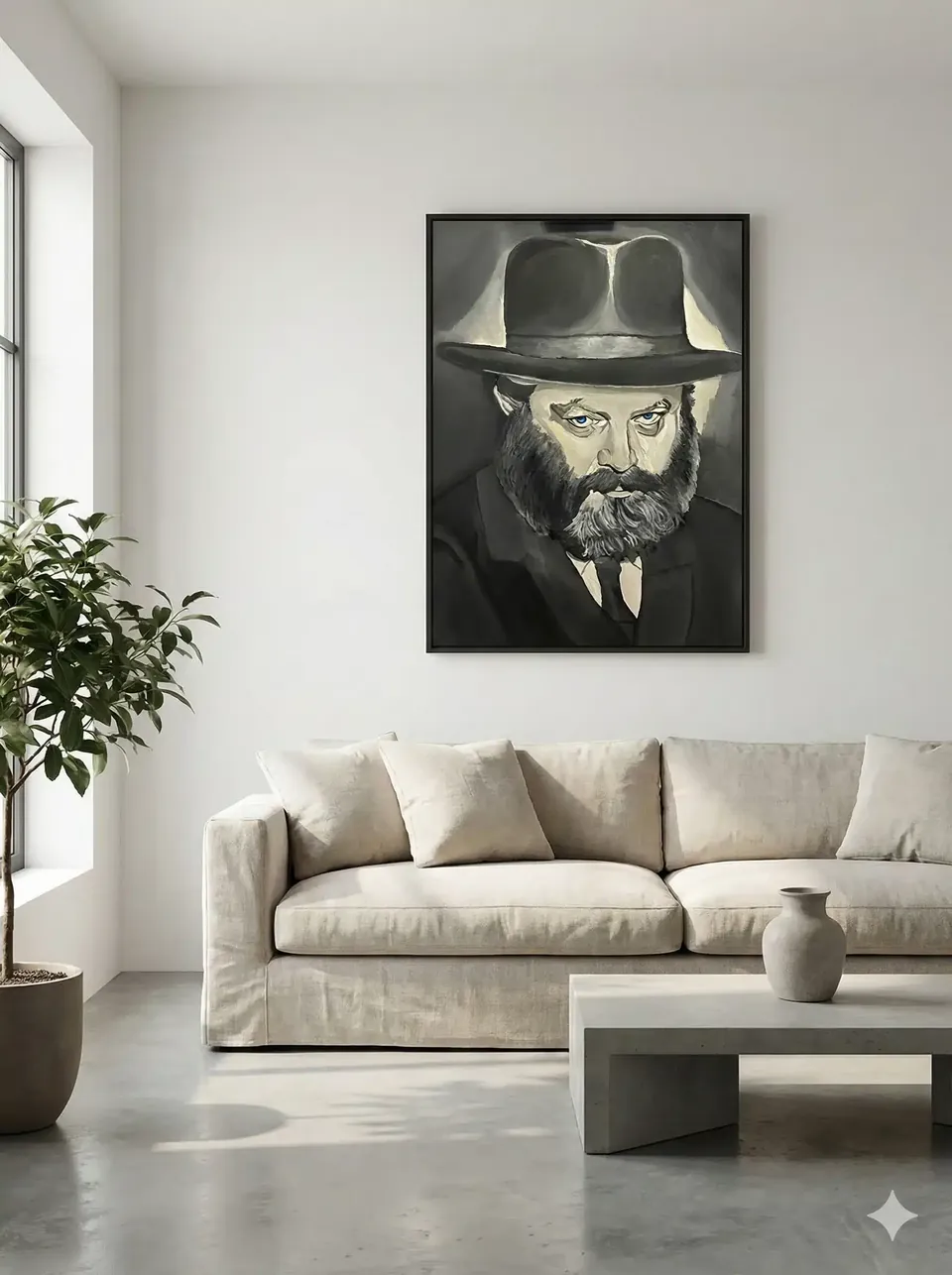
Most of my paintings are portraits. A face is the most complex thing to paint, and therefore the most moving when something works. I am not looking for likeness. I am looking for presence. The moment the painting begins to be someone, not just to look like someone, is the moment I work toward. Sometimes it arrives in the third layer. Sometimes only in the eighth.
When Is a Painting Finished
A question with no exact answer. I know a painting is finished when I have nothing left to say in it. When I look at it and nothing demands that I continue. Sometimes it takes a week. Sometimes months. Every original oil painting that leaves my studio comes with a certificate of authenticity. Not because it is a custom, but because I want whoever buys it to know exactly what they are getting.
The Basic Techniques Every Beginner Should Know
Before you start: oil on canvas differs from acrylic in one critical point, time. The colors do not dry in hours but in days. This is not a drawback, it is a gift. You can return, change, blur, build layers. And if something did not work, you can scrape and start again.
Fat over lean, the most basic rule: each new layer should contain more oil than the layer beneath it. Lean layers (with little oil) at the bottom, fat layers above. Breaking this rule causes cracks after drying. Alla prima, painting in one layer while the paint is fresh. The technique I love most: direct, energetic, and allowing free movement. Glazing, transparent layers over dried paint. It provides depth and an inner light that cannot be achieved otherwise. It requires patience.
Which Canvas to Choose
For oil on canvas, linen is preferred by every experienced artist. It is strong, shrinks less over time, and has a fine texture. Cotton is cheaper and excellent for beginners. It is important that the canvas be stretched and not loose. See also: more techniques from the studio.
Frequently Asked Questions
What are the basic colors needed for oil on canvas? Cadmium red, cadmium yellow, ultramarine blue, titanium white, and mars black, five colors that can mix almost any tone. Next you add ochre, raw umber, and more.
How long does it take to learn oil on canvas? A first painting can be finished in a few hours. To create something you are proud of, a few weeks of practice. To master the technique, years. But every stage along the way is worth the time.
Do you need to dry the canvas between layers? It depends on the technique. In alla prima you work directly on the wet paint. In glazing you must wait for full drying between layers.
What do you do with a finished oil painting? Wait 6 to 12 months for full drying, then apply a varnish that protects the colors and gives a uniform finish, gloss, matte, or in between.
What is the difference between oil on canvas and oil on paper? Paper is light, cheap, and excellent for sketches and practice. Canvas is more durable, holds up better over time, and suits works you want to preserve.
Want to see oil on canvas in action? Take a look at Eliran Bar-On's gallery to see how these techniques come to life on the canvas.