Oil Painting for Beginners: Techniques and Secrets
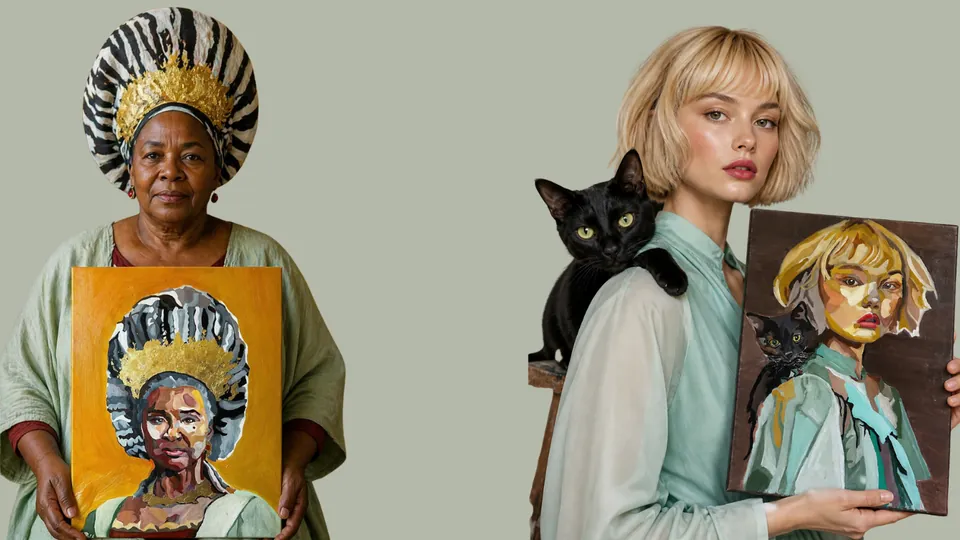
Oil painting is one of the richest and most moving means of expression in the art world. As a visual artist, I find in oil painting a whole world of creative possibility, from delicate textures to the deep, rich colors that only oil can give. In this article we will go over the basic techniques of oil painting that open a door to a fascinating art.
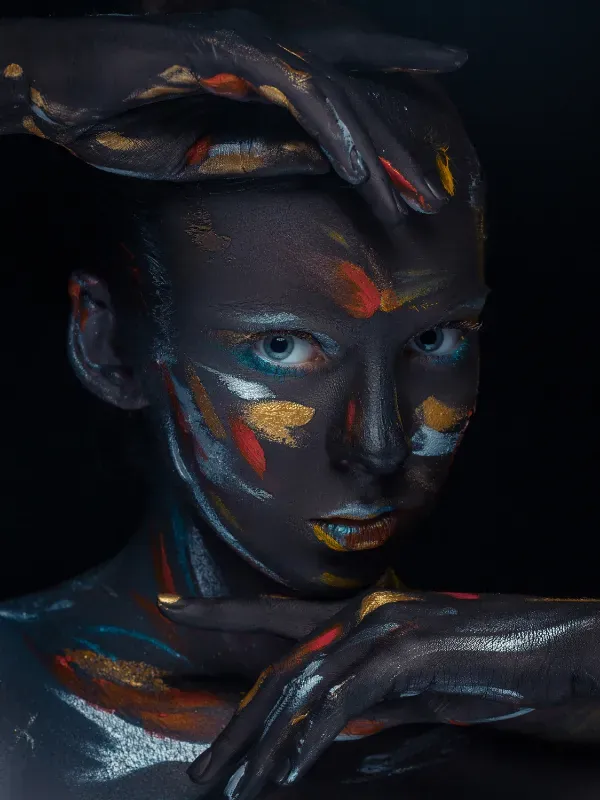
Why Choose Oil Painting?
The colors in oil painting offer a depth and glow that is hard to achieve in other techniques. They dry slowly, which lets the artist work calmly, correcting and refining the work again and again. The thickness of the paint gives a sense of substance and uncompromising richness. Many artists throughout history, from Rembrandt to Van Gogh, chose oil painting as their main means of expression.
Basic Techniques for Beginners
When you start oil painting, it is important to understand a few fundamental principles. First, choose linseed oil as your base medium, it thins the paint and increases its flow on the canvas. Second, always work from dark to light. Add the light touches last, over the dark colors. Third principle: keep the colors clean on the palette, wash the brush between colors to avoid muddiness.
Choosing the Right Tools
Different brushes create completely different effects. A flat brush suits large areas and broad strokes, while a round, pointed brush allows fine detail. The palette knife is another tool from which you can create fascinating textures and unique effects. The canvas itself matters too, a canvas stretched on a frame is better than a rigid board for beginners.
Common Mistakes and How to Avoid Them
The most common mistake in oil painting is using too much oil, which makes the colors flow and lose their shape. Start with paint straight from the tube and only then add a measured amount of oil. Another mistake is working in layers before the previous layer has dried, which can cause cracks over time. One of the great secrets of oil painting is mixing colors on the canvas itself. Instead of mixing everything on the palette, try placing two colors side by side and blending them directly on the painting. This technique, called alla prima, gives a unique liveliness and spontaneity that is hard to imitate any other way.
What You Need to Start
The equipment you really need: a stretched canvas (start at 30 by 40 cm), several flat and round brushes in different sizes, linseed oil and a thinner (turpentine or Gamsol), and six basic oil colors. You do not need dozens of colors, with yellow, red, blue, white, black, and ochre you can paint almost anything.
The First Techniques
Basic sketch: before you reach color, sketch the composition with charcoal, which erases easily. Then fix it with very thinned paint. Working large: start with the large shadow and light areas, and only then detail. Many beginners get lost in details too early and miss the overall structure. Mixing on the palette: mix colors on the palette rather than directly on the canvas. This gives better control over the tone.
Frequently Asked Questions
How long does it take to learn oil painting? You can learn the basics within a few weeks. To develop a personal style and master the technique, a year and more. The key is to paint regularly, even for half an hour a day.
Is oil painting dangerous to your health? Certain thinners (regular turpentine) can be irritating. It is recommended to use Gamsol (a refined mineral thinner) and to ventilate the room. The paints themselves are safe for normal use.
Do you need a professional studio to paint in oil? Not at all. A room with good ventilation, a table, and good light is enough. Many people paint in the living room with protection on the floor.
What is the difference between oil and acrylic for a beginner? Acrylic dries fast and is great for experiments. Oil dries slowly and allows softer, more delicate work. For entering art, both are excellent, oil gives a unique feel that many artists fall in love with.
Where do you start, landscape, still life, or portrait? Landscape is the most forgiving, mistakes blend into the atmosphere. Still life is excellent for practicing shapes and shadow. A portrait is harder for a first attempt because the human eye immediately senses when something is off. Start with a landscape or still life.
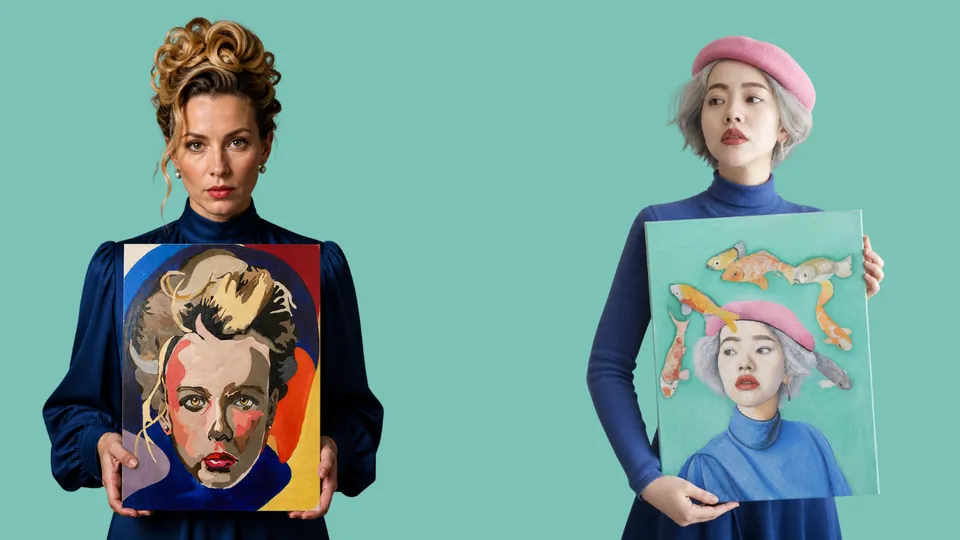
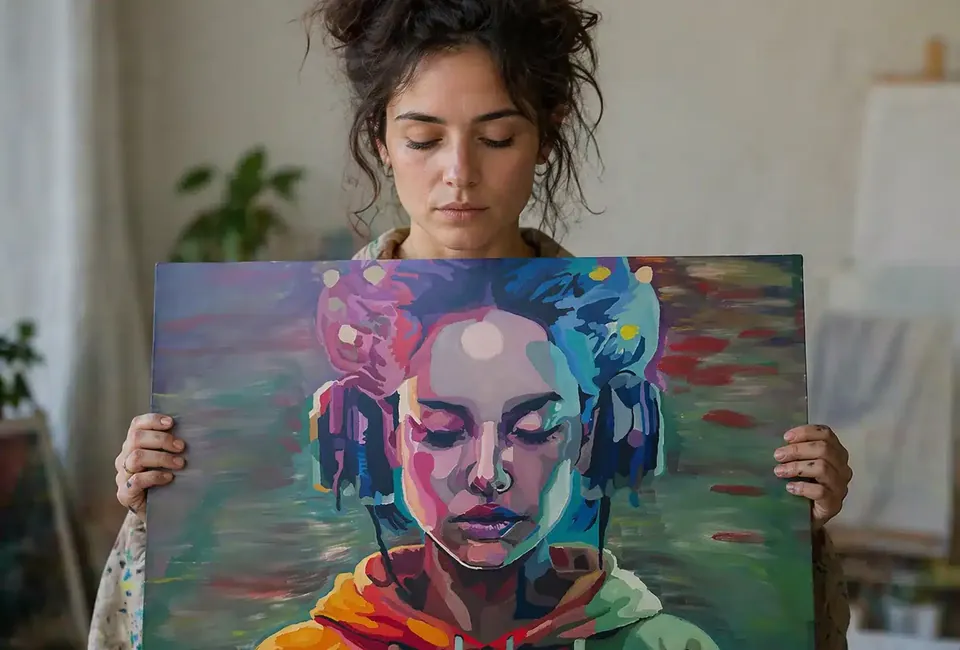
Want inspiration for your first painting? The EB ART gallery presents original oil paintings created in exactly this approach, step by step, layer by layer.